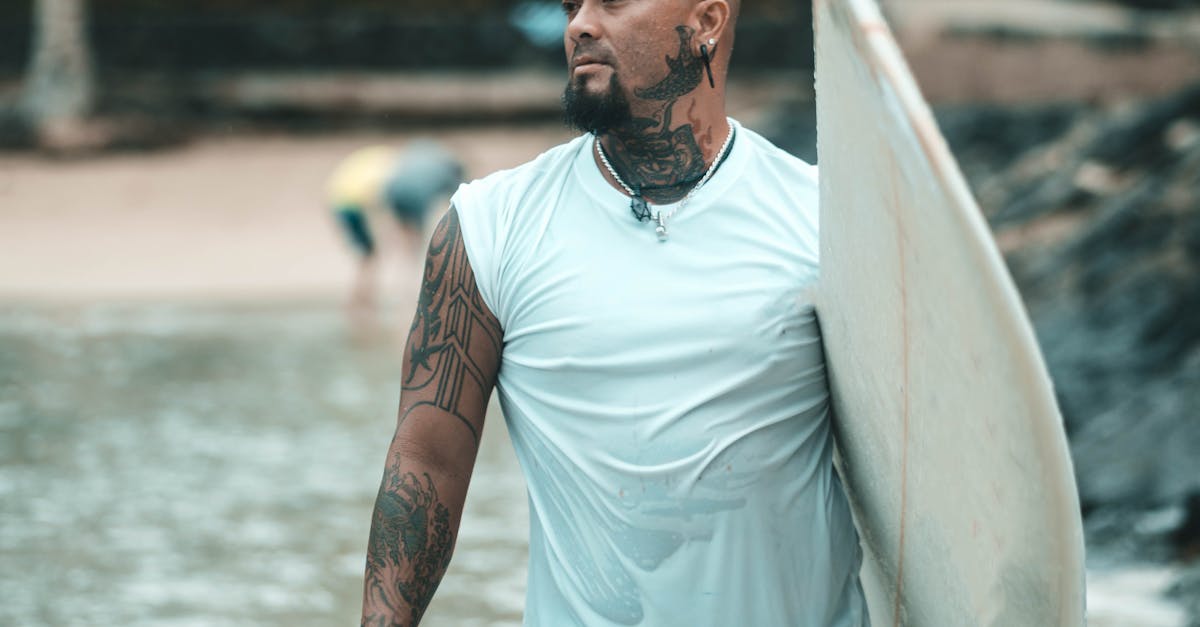
Transformative Experiences: Surrealist Tattoos as Personal Journeys
Table Of Contents
The Evolution of Tattoo Styles
Tattoos have been a form of personal expression for centuries, evolving dramatically from their roots in tribal traditions and cultural rites. Ancient civilisations adorned their bodies with intricate designs that held significant meaning. Over time, the practice spread across the globe, influenced by various cultures and art movements. This evolution led to the emergence of different styles, ranging from traditional and neotraditional to contemporary and abstract designs.
In the late 20th century, tattoos witnessed a surge in popularity, gaining acceptance as a legitimate art form. Artists began experimenting with techniques and concepts, leading to a diversification of styles. Surrealism, with its emphasis on dreamlike imagery and emotional resonance, carved out a niche within the tattoo world. As the boundaries of tattoo artistry continued to expand, surrealist tattoos emerged as a profound means for individuals to convey their unique narratives through body art.
Surrealism's Place in Modern Art
Surrealism has profoundly influenced various facets of modern art, inviting viewers to explore the depths of their own subconscious. The movement, which originated in the early 20th century, challenged conventional aesthetics and introduced dreamlike imagery that often blurs the line between reality and imagination. Artists like Salvador Dalí and René Magritte pushed boundaries, creating works that evoke wonder and provoke thought. Their influence extends beyond traditional canvases and now permeates the realm of tattoo art, where creativity knows no limitations.
The embrace of surrealist themes in tattooing reflects the movement's ability to inspire personal expression and transformation. Tattoo artists adopt surrealist techniques to craft intricate designs that resonate with the wearer's inner thoughts or experiences. This melding of surrealism and body art transforms the skin into a canvas for storytelling, where each tattoo becomes a unique reflection of the individual's journey. As more people seek tattoos that embody deeper meanings, surrealism continues to occupy a significant space in the evolution of modern artistic expression.
Caring for Your Surrealist Tattoo
Proper care is essential for maintaining the vibrancy and integrity of a surrealist tattoo. After getting inked, it is crucial to follow your artist's aftercare instructions closely. Keeping the tattoo clean and moisturised aids in preventing infection and promotes healing. Use a gentle, fragrance-free soap to cleanse the area and apply a suitable lotion or ointment as recommended. Sun protection is equally important, as UV rays can fade the intricate details and colours over time.
Long-term care involves regular moisturisation and avoiding prolonged exposure to sunlight. Consider using sunscreen with a high SPF when displaying your tattoo in sunny conditions. Regularly assessing the quality of the tattoo will help you catch any signs of fading or damage early. If significant fading occurs, consulting a professional for touch-ups will ensure your body art remains as striking and surreal as the day it was created.
Tips for Longevity and Vibrancy
To maintain the vividness of a surrealist tattoo, proper aftercare is essential right from the start. Keeping the tattoo clean and moisturised in the initial healing stages plays a crucial role. Use a mild, fragrance-free cleanser to wash the area gently. Once dry, apply a thin layer of unscented moisturiser designed for tattoos, ensuring it doesn’t clog the pores. Avoid soaking the tattoo in water or exposing it to direct sunlight during the healing process, as both can lead to premature fading or complications.
Once the tattoo has healed, ongoing care becomes vital to preserving its allure. Regularly moisturising the area helps maintain the skin’s elasticity and keeps the colours vibrant. Broad-spectrum sunscreen should be applied whenever the tattoo is exposed to sunlight, as UV rays can significantly diminish ink quality over time. Staying hydrated also contributes to skin health, ultimately supporting the longevity of the tattoo. Regular check-ins with a professional tattoo artist for touch-ups can also help restore particularly vibrant areas, ensuring the artwork continues to reflect its original passion and creativity.
Famous Surrealist Tattoo Artists
The world of surrealist tattoos boasts an array of skilled artists pushing the boundaries of this unique art form. One notable figure is Amanda Wachob, known for her fluid and painterly tattoo style. Her work often blurs the lines between traditional tattooing and fine art. Wachob’s innovative approach allows her to create pieces that evoke emotion, inviting viewers into a dreamlike experience.
Another prominent artist in the surrealist realm is Gakkin, who hails from Japan. Gakkin’s tattoos frequently incorporate elements inspired by nature and the whimsical aspects of life. With a distinct use of colour and form, his designs often reflect a narrative quality, compelling audiences to explore deeper meanings beneath the surface. Each stroke of his needle adds to the surreal tapestry, allowing for personal storytelling through intricate imagery.
Innovators in the Field
The world of surrealist tattoos has been greatly impacted by a handful of visionary artists, each pushing the boundaries of creativity and technique. Among them, artists like Maxime Bureau have gained recognition for their ability to blend intricate details with dreamlike imagery. Bureau's work often features unexpected juxtapositions, crafting narratives that invite viewers into a realm of subconscious exploration. Another notable figure is the Australian artist Dan Henk, whose distinctive style incorporates elements of horror and fantasy. Henk’s tattoos evoke both intrigue and contemplation, leading to a deeper appreciation of surrealism in body art.
Emerging talents continue to reshape the surrealist tattoo landscape, expanding the techniques and themes represented in this unique art form. Artists such as Nicole Nadeau specialise in hyper-realistic designs that retain an element of surrealism, challenging traditional perceptions of what a tattoo can embody. Their skilful manipulation of form and colour allows them to convey emotions and stories in a vivid manner. These creators not only redefine the aesthetic of surrealist tattoos but also inspire a new generation of artists and enthusiasts, fostering a community that embraces the unexpected and the fantastical.
FAQS
What are surrealist tattoos?
Surrealist tattoos are designs that draw inspiration from surrealism, an art movement that emphasises the exploration of the unconscious mind, dreams, and the bizarre. These tattoos often feature unusual imagery, dreamlike scenes, and unexpected juxtapositions.
How did tattoo styles evolve to include surrealism?
Tattoo styles have evolved significantly over the years, influenced by various art movements including surrealism. As tattooing became more accepted in mainstream culture and artists sought to express complex ideas and emotions, surrealism emerged as a popular choice for those wanting a deeper personal narrative in their body art.
What care is required for a surrealist tattoo?
Caring for a surrealist tattoo involves keeping the area clean and moisturised, avoiding direct sunlight, and refraining from soaking in water during the healing process. Following your tattoo artist's specific aftercare instructions is crucial for ensuring the design stays vibrant and well-defined.
How can I ensure my surrealist tattoo remains vibrant over time?
To maintain the vibrancy of your surrealist tattoo, it's important to regularly apply sunscreen to protect it from UV rays, keep the skin hydrated, and schedule touch-ups with your tattoo artist as needed. Avoiding activities that may cause excessive fading, such as prolonged sun exposure or harsh scrubbing, is also recommended.
Who are some famous surrealist tattoo artists?
Notable surrealist tattoo artists include those who have pushed the boundaries of tattoo art, creating unique and imaginative pieces. Artists like Paul Acker, Kamil Czapiga, and Kiki Wongo are recognised for their innovative approaches and distinctive styles within the surrealist realm.
Related Links
Incorporating Illusion and Reality in Palm Beach Tattoo ArtThe Influence of Salvador Dalí on Palm Beach Tattoo Artists
Iconic Surrealist Symbols Transformed into Body Art
The Emotional Depth of Surrealism in Palm Beach Tattoos
Crafting a Narrative: Surrealist Stories through Tattoo Design