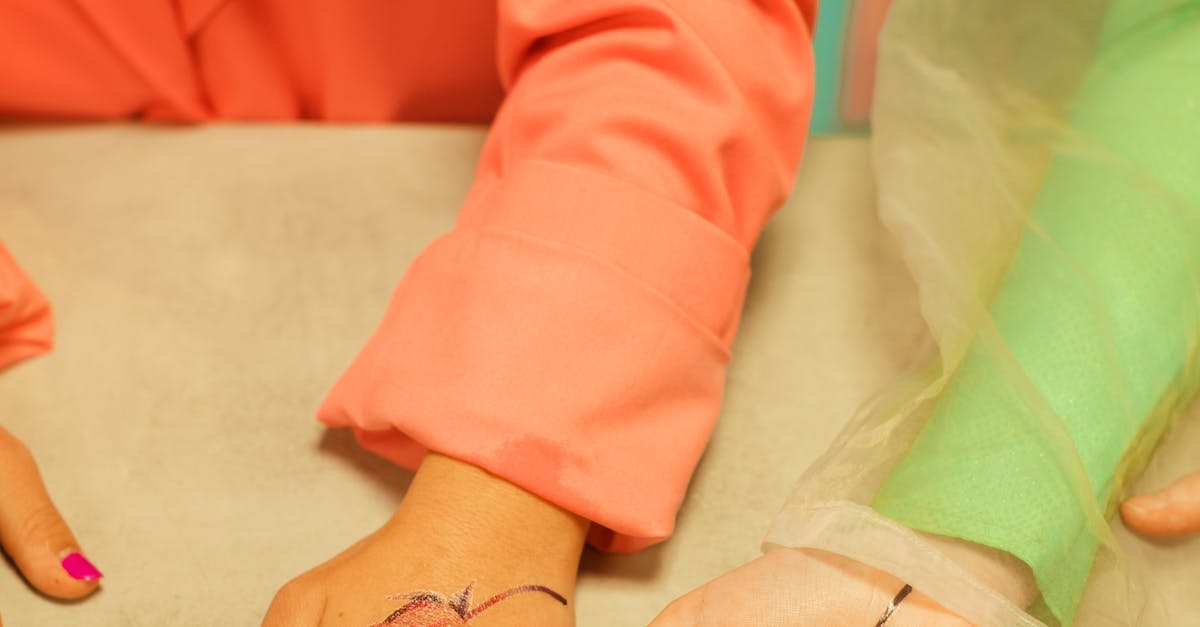
Iconic Surrealist Symbols Transformed into Body Art
Table Of Contents
The Lips
In the realm of surrealist imagery, lips often serve as a powerful symbol of communication and expression. They can represent the voice that remains unheard, embodying the struggles of conveying thoughts and emotions in a world that sometimes seems unresponsive. This duality adds a layer of complexity to body art, as lips can appear both alluring and enigmatic, inviting viewers to ponder their deeper meanings. Artists may choose to depict lips in vivid colours or exaggerated forms, enhancing their impact and drawing attention to the narratives they wish to convey.
Within body art, the portrayal of lips extends beyond mere aesthetics. They can signify rebellion against societal norms, challenge perceptions of identity, or connect personal experiences to broader human conditions. The intricate designs and placements of lip tattoos can evoke themes of intimacy, desire, or even silence, making them versatile symbols that resonate on multiple levels. By transforming this iconic surrealist motif into body art, individuals not only embrace their unique stories but also pay homage to the rich tradition of surrealism that seeks to explore the subconscious and the unspoken.
The Role of Lips in Surrealist Imagery
In surrealist imagery, lips often take on a dual nature, representing both the allure of language and the entrapment of silence. Artists like Salvador Dalí and René Magritte frequently employed this motif to explore themes of communication, desire, and the unconscious. The exaggerated size and vivid colours of lips create a striking visual that captures attention and evokes a sense of intrigue. Through this bold depiction, lips challenge the boundaries of expression, prompting the viewer to reflect on what lies beneath spoken words.
As a symbol, lips encompass a rich tapestry of meanings that resonate deeply within body art. Tattoos featuring lips can embody a variety of emotions ranging from passion to heartbreak, signalling the complexity of human relationships. Many choose to immortalise this symbol on their skin as a means of voicing their experiences and emotions that words may fail to convey. The artistic interpretation often transforms the mundane into the extraordinary, inviting a dialogue between the wearer's personal narrative and the viewer’s interpretation.
The Elephant
The elephant has long held a prominent place within the realm of surrealist imagery. Often symbolising strength and memory, this majestic creature frequently appears in artworks that challenge perceptions of reality. It embodies the juxtaposition of size and grace, merging the extraordinary with the mundane. This complexity makes it a fascinating subject for body art, allowing individuals to express both personal significance and a connection to surrealist themes.
In contemporary tattoos, the elephant can also represent wisdom, loyalty, and family connections. Artists frequently incorporate dreamlike elements alongside the depiction of the elephant, transforming it into a canvas for intricate designs. Such body art not only highlights the beauty of the animal itself but also facilitates a deeper exploration of the emotions and stories behind the imagery. The elephant serves as a reminder of the strength found in vulnerability, a compelling narrative in the world of body art.
The Meaning Behind the Elephants in Body Art
Elephants have long been emblematic of strength, wisdom, and memory in various cultures. In the realm of body art, elephants often serve as powerful symbols that connect the wearer to these intrinsic qualities. Their robust form can represent resilience during challenging times, facilitating a sense of grounding and stability. Additionally, elephants are known for their nurturing nature, making them a poignant reminder of compassion and familial bonds.
Within the context of surrealism, elephants can take on more abstract meanings as well. Their exaggerated features and disproportionate forms challenge reality, prompting viewers to look beyond the surface. This transformation invites an interpretation of personal struggles and triumphs. Each depiction of an elephant in body art reflects an artist’s journey, allowing the wearer to explore their relationship with these themes on a visceral level.
The Staircase
Staircases often serve as powerful symbols within surrealist art, representing transitions and pathways to new realms of understanding. These structures can evoke feelings of ascent or descent, inviting viewers to contemplate their journey within the complexities of life. In body art, staircases can take on myriad forms, winding intricately around limbs or spanning across the back, encapsulating personal growth or emotional evolution. A tattoo featuring a staircase can act as a visual metaphor, illustrating an individual’s unique journey, filled with both challenges and triumphs.
Incorporating staircases into body art also taps into the idea of exploration and discovery. Each step may represent different milestones, reflecting significant life events or changes in perspective. The allure of a staircase lies in its dual nature; it can symbolise progress toward enlightenment or the introspective descent into one's inner world. This versatility makes it a favored motif, allowing wearers to imbue their tattoos with deeply personal significance while inviting a broader interpretation that resonates with a wider audience.
How Staircases Represent Journeying in Tattoos
Staircases have long been symbolic in various forms of art, representing transitions, journeys, and the passage from one state of being to another. In body art, they often depict a climb toward personal growth or self-discovery, capturing the essence of life's ups and downs. The way a staircase spirals or leads to an unknown destination can evoke feelings of curiosity and introspection. Each step can signify challenges overcome, aspirations, and the ongoing quest for enlightenment.
In tattoo artistry, staircases often integrate other elements, combining complex imagery to deepen their narrative. The choice of style, whether abstract or realistic, adds layers of meaning to the design, connecting the wearer’s experiences with themes of adventure and transformation. Such tattoos serve not only as personal milestones but also as visual metaphors for striving towards new realities, making a profound statement on one's journey through life.
FAQS
What are some common surrealist symbols used in body art?
Common surrealist symbols in body art include lips, elephants, staircases, clocks, and dreamlike landscapes, all of which convey deeper meanings and emotions.
How do lips function as a symbol in surrealist imagery?
In surrealist imagery, lips represent communication and the unspoken, often highlighting desires, secrets, or emotions that are not easily expressed.
What significance do elephants have in surrealist body art?
Elephants are often seen as symbols of strength and wisdom in surrealist body art, representing the weight of experiences and the journey of life.
How are staircases interpreted in tattoos inspired by surrealism?
Staircases in tattoos often symbolise the journey towards new realities or personal growth, representing the ascension to higher states of consciousness or understanding.
Can anyone get surrealist symbols as body art, or is it more suited for specific individuals?
Anyone can get surrealist symbols as body art, as these symbols can be personalised to reflect an individual's unique experiences, emotions, and interpretations of surrealism.
Related Links
The Influence of Salvador Dalí on Palm Beach Tattoo ArtistsThe Emotional Depth of Surrealism in Palm Beach Tattoos
Incorporating Illusion and Reality in Palm Beach Tattoo Art
Transformative Experiences: Surrealist Tattoos as Personal Journeys
Crafting a Narrative: Surrealist Stories through Tattoo Design
Blurring Boundaries: Surrealism and the Human Form in Tattoos